Before we go to the zoo, I memorize butterfly names from the books in my grandfather’s library. Tiger swallowtails, yellow and black, their wings majestic as they take flight from an aspen tree. Migrating monarchs drink from lupines.
Xerces blues exist only on paper, their permanent home on page 27, “Insects of San Francisco .” I slip the book back on the shelf and wish that someone had rescued the blues.
My grandfather is ready to cycle with me to the tram. He wears a kerchief over his nose to block the dust. “Used to be they lived in my fields.”
A week after my mom was buried, my friend, Agnes, started to resemble her. At first, it was just the nose. Then the eyes, including a dramatic change from brown to blue. Agnes grew wrinkled and unreasonable. She started arguments. I ghosted her and mourned the loss of my best friend.
One day, I picked up Agnes’s photo and did a double take. She pixelated into my mother. Then the pixels reverted to the original. Mesmerized, I watched the picture magic from one to the other until I couldn’t tell them apart. I wish I could let my mother go.
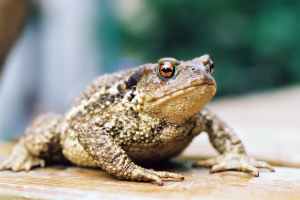
A formerly satisfied customer, your instant meals have saved my bacon when work emergencies and toddler meltdowns prevented me from putting a nutritious dinner on the toadstool. Unfortunately, last night’s Cricket Stroganoff seems more potion than stew. This morning I woke up with a warlock.
Lest you think my husband left me, I would submit that the warlock has warts. The pattern fits my husband’s down to the T on his back. Our favorite. In addition to a refund, please send an antidote to restore the love of my life to himself and me.
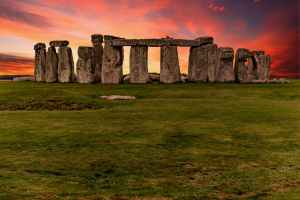
Líf and Lífþrasir lived in a tiny hovel on the side of a wild fjord north of the settled lands. Rippling through infinity, Thor came to them. He carried the couple to Hoddmimis holt. “From you, generations will spring.”
The gods went insane; a war of destruction, an ecological nightmare. Three winters arrived with no summers. Yggdirsil, the world tree, nurtured the couple. All the while, morning dew was their manna from heaven. Wandering, nestled in the warmth of moss, sheltered by the forest, emerging with the sun, nurtured by salt water, they rebuilt after the Ragnarök. They repopulated Earth.
Two wolves walk into a bar. The first says, “What a day.”
The second buys the drinks.
First one gets to talking. “I install air conditioners. My first job, the place is straw. When I test the unit, the whole place falls down. The pig’s suing me.
“The second house is twigs. I say I’m not doing it. Too dangerous. So he yells, ‘Breach of contract.’
“At the brick house, the guy’s a lawyer. Rants at me about how his brothers are taking me to court. So I eat him. Now I’ve got indigestion.”
Eostre surveys the protestors at the Vernal Equinox Picnic. Signs read, “Change the name.” But there’s no consensus. Norwuz, Passover, Holi, Easter, Zhonghe…
Eostre gathers morning light and scatters its rays. It dawns on the participants that there’s better things to do. They discover Eostre’s hares laying eggs. Ashanti boils the eggs and Saraswati prepares dyes to color them. The feathered serpent, Kulkulkan, paints designs across the shells. Soon everyone wants a chance.
Eostre finds the old goddesses, Cybele, Wang Mu Niang Niang, Beorc, and Ishtar. Together, they lead the Rebirth Parade around the world, stopping to toast new beginnings.
My wife swore the UFOs had landed because green men were digging in the garden in the rain. But she’s a little daft and not Irish. It was leprechauns, for sure, wearing black boots, work clothes and trademark top hats. The rainbows bring them and the blarney keeps you from catching them green handed with the goods.
So when the rains came again, I made a trap baited with shiny things and kept an eye on the potato field. And I was there to see a big crow fly away, the gold chain I set out dangling from its beak.
House Sitter Wanted: April in our charming wooded cottage. A place for contemplation, close to hiking and river adventures. Feel free to entertain in our spacious three bedroom home.
Goldie pushed the door open. She’d expected a key under the rock near the entry. What a relief to find the house unlocked. The second surprise: There were three bowls of cereal on the table. Had the bears engaged her for a different time? She checked her phone. New mail. “See you April first. The Bears.” She sat down to rest, the cinnamon smell of porridge enticing her. They wouldn’t mind.
For the past month, a Tarot card that means reprieve has consistently found its way into my weekly story prompt. Sometimes it defines the question. Sometimes it’s the unknown quantity that might determine the outcome. Either way, reprieve is in the cards.
I find this comforting. Whether a reprieve from a broken Washington, a reprieve through self-knowledge or a reprieve via creative insight, all of it seems good. And I see this theme cropping up in places besides my Celtic Cross spreads. My writing group met on Zoom this week. We are normally very disciplined, sticking to the text of the pieces we are discussing, offering useful comments about improving our stories. This week, the sense of loss evoked in the writing provoked a different response that reverberated through the group.
I find myself wondering how much of it was the fictional stories we reviewed and how much of it was the proximity of loss all around us that bled into our comments. In e-mails after the group, one member revealed that a family member had died of the virus. Another commented that we may need to be prepared for more losses as this pandemic runs its course. And though it is unusual to discuss personal issues in our group, the underlying impetus for much writing is personal loss.
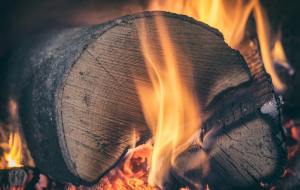
My husband tells a story that may be germane here. A friend of his from college, an English major, saw his first snow during his freshman year at an Eastern college. They were walking across campus, white flakes drifting into piles of white flakes. The African student said, “You know that snow means death.” Such a normal phenomenon across most of the United States is a literary symbol which becomes potent when it overcomes the barriers that we erect against it. Heated buildings, roaring fires, protective snow gear, all the ways that man overcomes nature. Until, as in Jack London’s To Build a Fire, nature overcomes man.
As a culture, we have celebrated rugged individualism. We’ve gone into the wilderness, positive that we would return, sure of being protected from the worst by our pluck, ingenuity, entrepreneurship and free market economy. But some things require a group and to be a group, we need to pull together. We need to listen to the advice of people who know more than we do. That means finding some other song to sing besides America First.
We do need America to come together, but that’s not enough. The virus is here. The means to fight it are spread around the world. Isolation is the first defense. But cooperation can’t be far behind or we risk freezing to death as a result of our own stubborn denial regarding the risks. And unlike a man freezing in the wild, we will take others with us if we can’t admit that we need each other.
There are two versions of To Build a Fire. In one version, the protagonist dies. In the other, he sustains frostbite and becomes a wiser person. We could use a little wisdom as we fight our battle with nature. Reprieve is in the cards, the question is how we go about making that happen and how much damage we sustain before the pandemic is over.