A Baby is More Than a Symbol

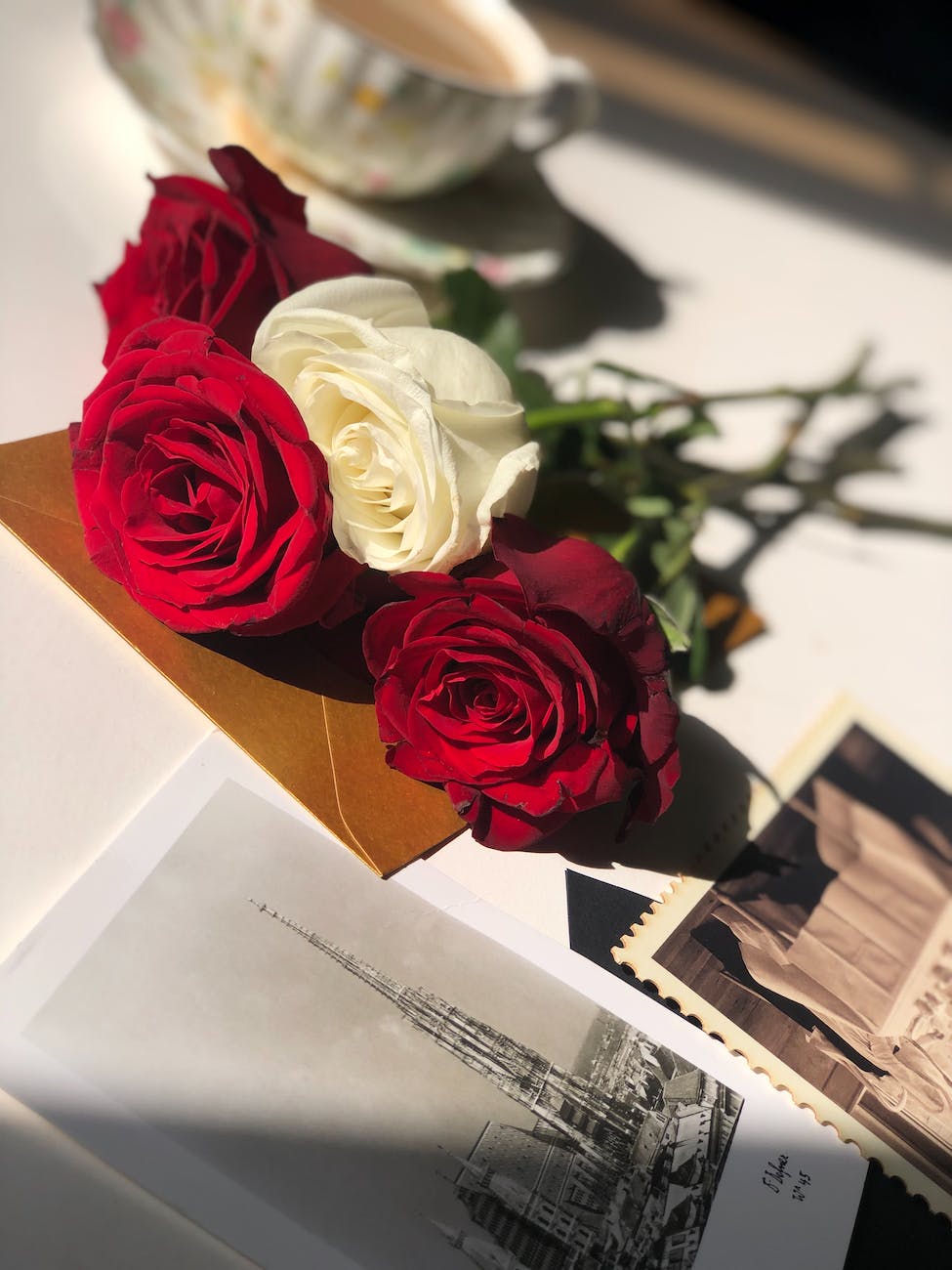
Photo by Lisa Fotios on Pexels.com

Pinky cheeks, a rooting mouth against Hester’s full breast, the newborn was greedy. Driven by her wants, she took what she needed. She was utterly satisfied.

Her twin brother squirmed in their father’s arms. “He’s strong, look at those little fists.” Eric passed him to his mother.

Eric gazed at his suckling son, then at his daughter.

Hester’s eyes teared up.

“We’re ready now,” Eric said. Thirty, not the nineteen they’d been when God had spared them and took away their sin. 

The mother’s emotions were more complicated. While he had gone to war, she had made her own peace.

Is It Me or Them?

Photo by Aleksey Kuprikov on Pexels.com

A week after my mom was buried, my friend, Agnes, started to resemble her. At first, it was just the nose. Then the eyes, including a dramatic change from brown to blue. Agnes grew wrinkled and unreasonable. She started arguments. I ghosted her and mourned the loss of my best friend.

One day, I picked up Agnes’s photo and did a double take. She pixelated into my mother. Then the pixels reverted to the original. Mesmerized, I watched the picture magic from one to the other until I couldn’t tell them apart. I wish I could let my mother go.

Last Postcard

Photo by Lalezarfa on Pexels.com

The last postcard I sent to my mother came back labeled, “Attempted- Not Known.” My fault. I left off all but the G in Georgetown, Texas. No zip code. Maybe it was a premonition that stopped my hand. The date of return was the day she died.

“Love you,” is all I was trying to say. Would she even have heard the aide read the two words? She hadn’t responded to my daily postcards. Maybe the message was lost to her in the haze of last days, not in the post office where someone shrugged, unable to deliver the undeliverable.

Watching Too Much Escapist TV

Photo by Expect Best on Pexels.com

I’ve always wanted to find a hidden passage behind a bookcase or though a trap door in the floor. Wonderland or Narnia. A priest hole would work. Maybe that’s why British mysteries hold such appeal for me. So when Rosie the Roomba mapped a passage from my study to the street, I was ecstatic, if confused. Was the opening hidden under the rug? Had we covered the exit to the street with a raised bed like we did the clean-out for the sewer?

My husband says the new room is a mapping error from Rosie getting stuck. I hope not.

A Year Later, A New Landscape

Photo by eberhard grossgasteiger on Pexels.com

I send my mother cards because she has trouble answering the phone. Today’s is a Hungarian landscape from World War II. It’s remarkably free of destruction and death, unlike what we see in war photos from the newspapers.

The place in Texas where she’s living resembles the card’s frontpiece. There’s a lake. There are houses. The hills are a dull green, shot through with bare soil. A year ago, when she hated where she was, my mother threatened to move to Czechoslovakia. Next to Hungary. Close to Ukraine. I’m glad she didn’t. Here, she imagines escape without confronting the reality.

The Maid

Photo by Monica McHenney

Rosie is our new Roomba. She’s a little ADD. Childlike, each day a new adventure. She wanders off course though I’ve set a map and a schedule. On her trial run I followed like an anxious parent noticing the places she missed, wondering how to help.

Our little black dog was much more chill. He relaxed on the rug watching while I said, “I think you should move.” He thought her harmless until she ran into his foot. He made a reluctant retreat. But he came back, ears perked. He’s right to think that Rosie is no threat to him.

New Beginnings

Photo by Alena Yanovich on Pexels.com

In her dreams, the fetus pleaded for life. The girl woke in a sweat, knowing that she wanted to indulge this creation, but love must be firm. A new life takes years to nurture. Time, money, patience, support. She had no one she could count on for that long, not even herself. It came down to being responsible. She hadn’t been before. 

She prayed to a God more forgiving than any politician. Followed a gospel that permitted free will. Took the legal option. Mothers need a choice. Children, a future. Hers are old now. They have gained from her loss.

Death, Natural and Not

Photo by Maria Orlova on Pexels.c

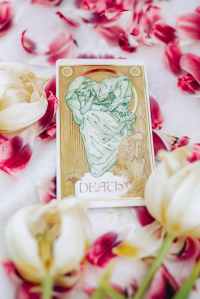
“The moment you accept your own death, something in you changes.”* Words spoken by a Ukrainian refugee slumped on a shelter bed, phone in hand. Resigned. Her words resonate, a reminder of my mother’s decline. 

Mom has changed. She says very little, sleeps a lot. No more raging temper tantrums over how much butter there is on the toast. Little things matter little, big things less. Nothing big like Russian planes threaten Mom. Nothing external. Nothing like this Ukrainian woman faces. And yet she is upended. Shuttling from hospital to rehab, death has crept inside my mother, weighing her down.

* From The Economist April 30, 2022 “The Wreckage Within.”

Freedom Fighters

Photo by Anthony on Pexels.com

Here’s a story my grandpa told about a friend he had from Birmingham. He’d gather us kids around and we’d listen, the big ones shushing the little ones and holding them on our laps. Must’a been near a hundred when he died, but what he told us lives on.

I knew it was over when Jesse told me his people could fly. We were down at the creek and when he said it I had a feeling that the Old South was destined to collapse like a circus tent after the last performance. Not that I’d ever say that to my daddy. He was sympathetic to old Dixie. Figured things had to change some after the North won the war. But he couldn’t see it changing that much.

“Come on,” Jesse said. “I’ll show you.”

Instead of digging crawdads for supper, we spent the afternoon leaping from boulders, arms spread, rolling into the water. We confessed to Jesse’s mama in the kitchen at the big house. Thanks to her being from a long line of Gullah storytellers, she forgave us. That tale of magic, passed down by word of mouth from one generation to the next, saved our hides.

Me and Jesse, we stayed in touch even when I went up to Boston for school. When I come back six years later to practice law at my daddy’s firm, Jesse was the first one I hired. He was whip smart; did my research. I wished he’d had a law degree. He fled north when vigilantes carried out their coup against some of our duly elected aldermen, 1898 I believe, in Wilmington. I gave him a password so he could get through the cordon the Klan set up the night before all the bloodshed. In the dark, he could pass. The way that damned mob went through destroying the businesses in the colored section of town was enough to make you think the whole thing was over, the whole Emancipation. But it wasn’t. Like so many of the survivors, the wish for justice went into hiding but it never died.

Jesse was lucky. He settled in DC, where he got another law job with a friend of mine from school. I tried to get him to come back to Wilmington, but he found his calling in the capitol. I sat in the front row at his law school graduation. Turned out he was good at organizing and that city was ripe for protest. Much of the segregation in Washington was enforced by custom, not law. They had more marches there than a centipede has legs. I visited him, but he never come down to North Carolina. Not until 1965 when he stopped on his way to Alabama for what he said might be his last protest, but maybe his best.

Me and Jessie were ninety years old, riding in that caravan our kids started to Montgomery to hear Dr. King speak. It was six carloads all told. Seniors at the wheel, a passel of squirming grandchildren in the back while them could walk marched across the Pettus Bridge. Jesse and I looked at each other when Dr. King said the words, “…the arc of the moral universe is long, but it bends towards justice.”

Afterwards, Jesse said, “That moral arc Dr. King talked about must be a rainbow. You need faith to believe there’s an end to it.”

“And do you? Have faith?” I thought I knew the answer to that, but I didn’t expect him to say what he did.

“If anybody’s going to find justice at the end of a rainbow, it’s the people who fly?” He picked up his two year old great-granddaughter. “You remember that story, don’t you?”

I nodded.

Then he passed that child, arms spread, to her mother and said. “This one’s in training.”

So that’s the story. That little girl was my play cousin Sarah. You’ve met her. A tiny woman. Strong as an eagle, wise like an owl. She’s flying with a slew of others across the land. They’re darkening the sky for justice, a righteous swarm of freedom fighters. They carry the message that we are a nation of laws, not custom; that faith is not enough. In the spots where the sun shines through the clouds of flapping wings, both ends of the rainbow are within reach of anyone with the will and the courage to fly.